International Moon Day (Annual)
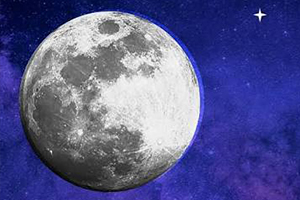
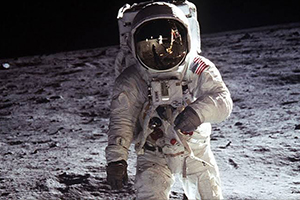
Celebrating the 1st people walking on the Moon / another celestial body – International Moon Day has been a recognized / endorsed declaration by the United Nations since 2022.
First people to land on Moon, 1969 -- Commander Neil Armstrong and Lunar Module Pilot Buzz Aldrin; Command Module piloted by Michael Collins.
Occurs 07:30 HST / 17:30 UTC; Earth aphelion is the point in its elliptical orbit where it is farthest from the Sun, occurring annually in early July; at aphelion , Earth is about 94.5 million miles from the Sun, or roughly 3% farther than its closest point, perihelion, in January.
Begins 11:42 UTC (01:42 HST), maximum at 12:13 UTC, creating a "ring of fire" visible primarily over remote parts of Antarctica and the southern ocean; 96% of the sun obscured.
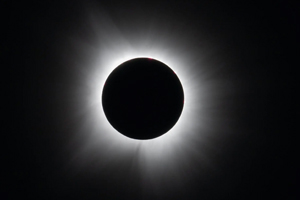
Total solar eclipse, starts 17:02:06 UTC (07:02:0 HST), will sweep across the Arctic, Greenland, Iceland, and northern Spain, offering up to 2 minutes of totality; Maximum Eclipse: 17:45:53
08:00 HST, 18:00 UTC; Earth perihelion is the point in its orbit when it is closest to the Sun, occurring annually in early January.